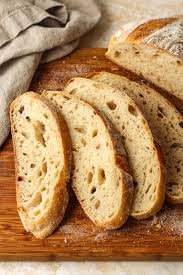
Recently, I completed my first attempt at making sourdough bread. I know you’re wondering if I was successful, and I will say I followed all the steps. It just didn’t turn out like I was hoping! I’ve heard sourdough can be finicky, so I’m determined to keep trying until I get it right. But it got me thinking about how going through the process to make sourdough bread is very similar to the process of writing a story.
You Need a Starter
Sourdough requires a starter that has been flour and water to keep it “alive.” The starter goes through a natural fermentation process as it’s fed. With writing, your starter is your idea(s). Every story begins with an idea, but that idea requires “feeding” to expand it into a full story or novel. The feeding of an idea is done through brainstorming, outlining, charting and notetaking, to name a few.

You Need Time for the Starter to Be Ready
The feeding of a starter must take place over several days. It’s not going to be ready right when your neighbor surprises you with your own, so you can stop eating all of her finished products. This time to be ready to use can be compared to the shaping of story details through research, plot twist planning or getting to know your characters. It could also be compared to the development of writing skills through courses, seminars, conferences or learning one-on-one from other authors.

The Dough Needs to Rest; So Does Your Story
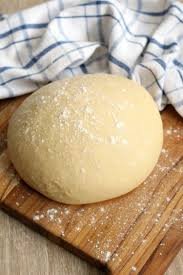
Resting time for bread is when it rises. You don’t want your bread to be dense when it should be light and airy. Guess which mine was? Maybe it didn’t rest long enough! The rough draft of your story will take a lot of time, but when you are finished, you really should take a break. If there’s one piece of writing advice I’ve gotten repeatedly, it’s this: For one month after you have finished writing your first rough draft, do not look at the story. Work on something else, catch up on household chores, take a vacation, but whatever you do, just let the story rest. When a month is up, come back to it and you’ll see much more easily how to make the story better.
The Dough and the Story Must Be Stretched
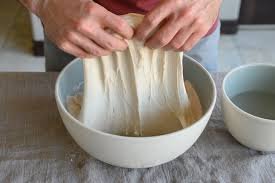
With sourdough, stretching is a mandatory step. You pull it like taffy, fold it back in and turn the bowl a quarter turn, repeating several times with periods of rising/rising in between. Your story can only be stretched into a polished tale through revising. Like the stretching of dough, editing must be done multiple times to have the most perfect work you can possibly have.
Baking Bread and Writing Stories are both Tricky
The reason why I’m not too disappointed with how my sourdough bread turned out is that I know how tricky it can be to get it exactly right, especially the first time. It’s pretty common knowledge that it may take a few times for you to know what you’re doing. Writing is the same. It’s extremely rare for a newbie to hit the best-seller list with a debut novel. Not impossible, but rare. Writing takes continuous effort to perfect your style, your voice, and your craft before you have a big following. Remember, practice makes perfect.

When it Works, It Works!
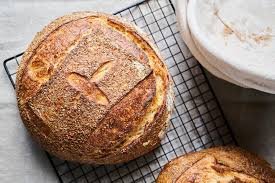
Perfectly baked sourdough bread should be browned to a crispy crust with those airy, open spots inside. It should be light, chewy, and tangy. Not at all like my first attempt! Your story works when it flows seamlessly, when it evokes feelings in the reader, and when it sends our imaginations to another world, place or time. You’ll know a story works when the feedback from readers is positive.
Conclusion
Both bread-making and writing require steps that must be achieved to end up with a finished product you can be proud of. It doesn’t matter how quickly you learn the steps or how many times you need to start over, it’s all part of the learning process. Bread may have to be tossed and a draft may have to be scrapped, but that’s okay. Keep at it and it will get easier. Now who’s ready for some bread?