Yeah, I know, that title probably caught you a little off guard, but if you’re like me, I bet it made you think of some kind of food and book combination that brings back delicious or disgusting memories for you. Why is food so memorable in the stories we read? Because we all have to eat, right? And what better way to discover new foods or picture ourselves in the story than to mention something as relatable as a meal?
In my book, Hidden by These Walls, the circumstances are such that there’s nothing special about the meals my main character, Libby, cooks: everything from macaroni and cheese (which is a true comfort food for some people) and casseroles for dinner, to pancakes or oatmeal for breakfast. But what Libby’s sisters get really excited about are the unexpected treats they get: Twinkies, cookies, and even the Whatchamacallit candy bar (anyone remember that one?).
Food in Children’s Books
Who doesn’t remember at least one book from your childhood that mentions food? Chances are you can remember a lot of them. I was fascinated by The Very Hungry Caterpillar, by Eric Carle, eating his way through all sorts of food and seeing the very holes he made in all of them. What about the adventures Winnie-the-Pooh went on, always seemingly distracted by his love for honey?
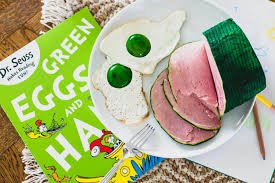
Food is also mentioned in Alexander and the Terrible, Horrible, No Good, Very Bad Day by Judith Viorst as one of the unacceptable things that completely ruins a young boy’s day. Lima beans is one of those, and I know a few someones who might agree. Green Eggs and Ham by Dr. Seuss was a crazy combo, at least to me, because I’d never eaten green eggs. But do I remember it? Of course!
And then we have books that focus on a certain food for the entire story. If you Give a Mouse a Cookie by Laura Numeroff is one giant tale that depends solely on something you might feed a rodent if you have the imagination for it. Charlie and the Chocolate Factory is a fantastical tale by Roald Dahl that is memorable because who doesn’t love chocolate? And what child wouldn’t want to spend the day inside a chocolate factory, including the mishaps?
Food Featured in Middle Reader/Young Adult Literature
If I mentioned The Chronicles of Narnia by C. S. Lewis to you, what food would you think of? Probably Turkish Delight, the magical confection to which Edmund is so drawn. How about the Harry Potter series? I bet you couldn’t name all the food enjoyed in those beloved stories! Butterbeer is the most memorable for me, especially since it is sealed in my mind forever. A visit to Universal Studios provided opportunity for a glass of that taste bud-approved delight. I was in heaven!
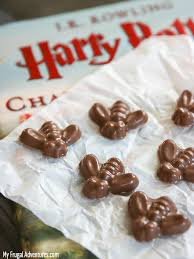
Let’s not forget all the floating delicacies during the Hogwarts meals. Roast beef and sausages, puddings and pies made Harry glad for a world of food otherwise unavailable to him in the Dursley’s home. But the visits to Honeydukes really provided some joy for Harry and his friends. With candies galore, the shop provided more tasteful (get it?) fun than Harry, or we, had ever experienced. Who didn’t want to try chocolate frogs, Fizzing Whizzbees, and even Bertie Bott’s Every Flavor Beans? Be careful what you choose though!
The Hunger Games might at first glance seem like the title of a book about getting your preschooler to try new foods, but we all know it as a dystopian tale of something more focused on deprivations of all kinds (except for the Capitol). Katniss had to hunt or trade for food. So, when Peeta tossed a loaf of burnt bread from his family’s bakery to the starving Katniss, we all felt what she did: relief at finally having food in her stomach.
Adult Genres Don’t Forget the Food Either
Several authors have taken the food theme and run with it, creating entire culinary mystery series. Diane Mott Davidson’s main character, Goldy Bear, is a caterer who gets mixed up in all sorts of murder and mayhem. Readers are given the recipe for each of Goldy’s dishes, providing a way to enjoy it for themselves. There are other series that have the same concept, including Josi Kilpack’s Sadie Hoffmiller mysteries and Joanne Fluke’s cozy mysteries featuring baker Hannah Swensen.
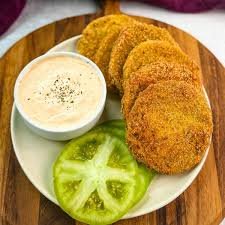
And adult genre that tends to showcase foods with cultural significance include historical fiction. Fried Green Tomatoes at the Whistle Stop Café by Fannie Flagg is an example. Historical fiction can bring on all the nostalgic memories of foods we grew up with or wish we could have again.
The romance genre is big on fabulous foods. How many couples have fallen in love over a picnic, or a fancy restaurant meal or even a cozy, home-cooked dinner? Richard Paul Evans, author of several Christmas romance novels, includes food regularly in his stories. And more often than not, many of the dishes mentioned are Italian fare, because of his love of Italy.
Food + Books = A Deliciously Good Time
I think you can see that one tried and true element to include in your books is food! In every genre, from ages 0-100, food helps us feel strong emotions, forgotten memories or excited adventurousness that can come in no other way. Pay attention the next time you read to how many times food is mentioned. See if that doesn’t bring the story to life.
Happy reading and eating!
Pingback: tadalafil and ED treatment
Comments are closed.