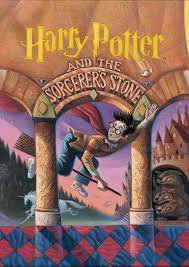
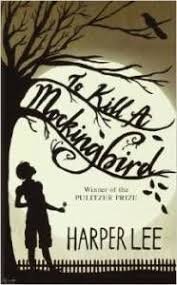
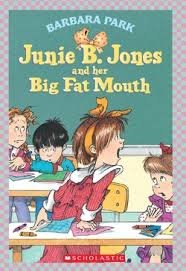
People often ask how writers come up with their characters’ names. The process is likely as varied for each author as their books are. Different genres, like fantasy, tend to require a little more creativity when it comes to the perfect character names. But here are a few simple ideas to help you as you search for the ideal name.
Use Baby Names Books
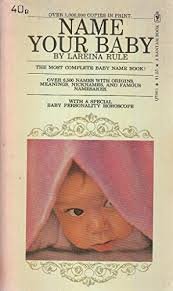
You can either invest in a book of baby names or look at baby name lists online. A great place to start is babynames.com. Most lists are alphabetical by gender. Simply scroll through each letter, noting the ones that seem to fit your particular characters. There are also baby name generators online, such as babynamegenie.com that you may spend a lot of time just playing around with because it’s so much fun. A bonus with baby name books and some online lists is that they also have the meaning of the names. That way if you’re naming a giant, you’ll know to look for names that mean strong or big.
Maintain a List of Names
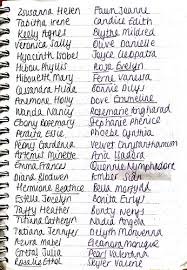
Whether it’s in a word document or a physical notebook, keep a list of names handy as you write. Whenever you read names you like, add them to the list. When you are out and about, pay attention to people’s names and jot them down so you don’t ask yourself hours later “what was that name I heard?”
Consider the Genre, Setting, and Age Level For Character Names
If you are writing a western or cowboy romance, your character names will be very different from those of a historical fiction novel set in Victorian England. Consider too the age level of the reader. An adult may have no problem reading the name Esmerelda, although it is long. But a young reader would likely stumble over a name that long and unfamiliar. Many fantasy characters’ names are made up by the author just by playing with letters and sounds to create the right combination.
Consider Ease of Spelling and Pronouncing the Names
This kind of goes along with age level, but readers of adult level fiction like names that are easy to say and spell too. Short names can often be a little harder to make unique, yet the simplicity of a name helps keep the focus on the story and not on the name. Usually, the most common spelling of a name is best. Adding extra letters in is unnecessary and can cause reader confusion. Example: Character name is Dale. Don’t change it to Dayle. There’s no need for it.
Each Character Name Should be Distinctively Their Own
Well, what does that mean? I’ll give you an example. In Hidden by These Walls, one of Libby’s friends is named Nicole. The husband of Libby’s boss was originally named Nico in the rough draft. My beta readers told me those names were too close and they were right. So, I changed Nico’s name to Reed and saved the name Nico for my next book. And yes, I think both names work better for both characters. Even repeated first letters can cause confusion. Think Jeff, John, and Jason. You’ll probably be confused as to who’s who. Better to name them each with different beginning letters.
Ask your Readers for Input
Social media is a great place to ask your readers for their opinions on names. Another great place is your newsletter. If you are stuck, consider your reader feedback. Name association is a big deal to some people, so you don’t want a name that is generally disliked. Take a poll and see what your audience has to say. And then listen.

Consider Using Nicknames
If your heart is set on using a long name, consider shortening the name or assigning a nickname. A long name like Penelope can be shortened to Penny for ease of writing as well as pronunciation. Make sure that the nickname actually relates to the full name, or readers will wonder where the new character came from and why nothing makes sense.
Don’t Forget the Last Name
Now that you’ve settled on a first name, it’s time to go through the entire process again with last names. This helpful website name-generator.org.uk/last/ can help you come up with a last name that matches with the first name according to how they sound together, length of names, nationality, genre, setting, etc. Again, make sure the name is easy to spell and easy to pronounce.
Conclusion
Conclusion
While it may seem daunting to find perfect names for all of your characters, there are some tools out there to make it easier and if you remember these tips, you’ll be coming up with some amazing names in no time. Who knows? You may come up with the next Scout Finch, Harry Potter, or Junie B. Jones.